Back to the library
Struggling Wild-caught

Mini Wakanda

Anochetus sp.

  • Material collected in two stages and stored in different containers.
  • The second collection took place in 07/06/2026, on the same day in the field that the queen was found today being treated in Tamoios.
  • The two collection points were less than 30 cm apart.

TGC thermometer

Public assessment

Latest overall condition score for the colony shared by the keeper

CHM meter Attention
60.4 /100
Crescimento 02/07/2026 · coverage 75%

Field notebook

Public diary

Dated observations shared by the keeper

Check-in — 04/07/2026

04/07/2026

Routine 22:48:00

Record created by the guided check-in.

Overall impression: Concerning.

Social

04/07/2026

Observation 21:47:00

looks like they have choosed more than one place to stay, but the top1 ranked by they are the seringer

Feeding and cleaning

04/07/2026

Routine 21:45:00

removed all the structs not used

Cleaning and Feeding

30/06/2026

Routine 22:30:00

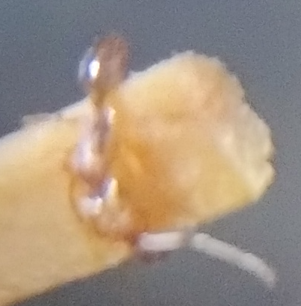
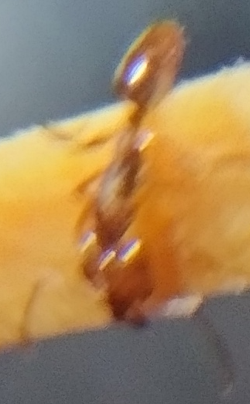
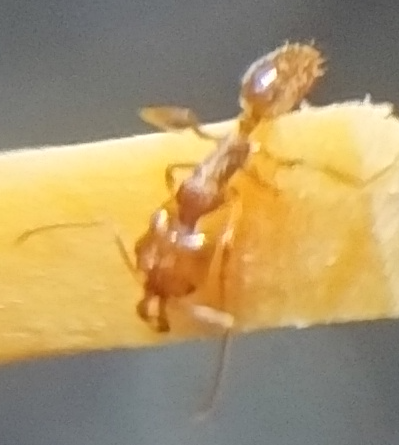
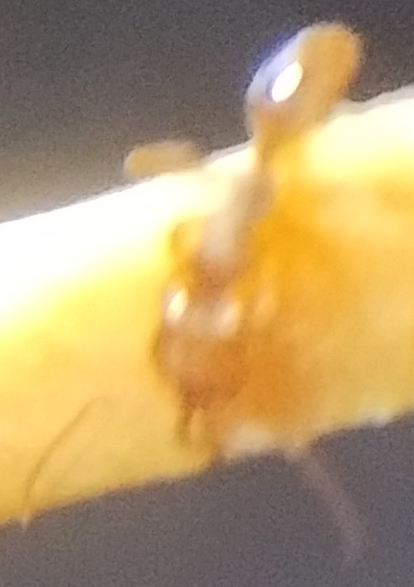
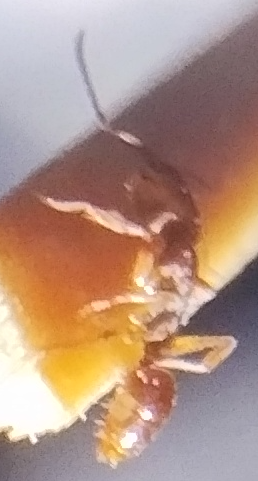
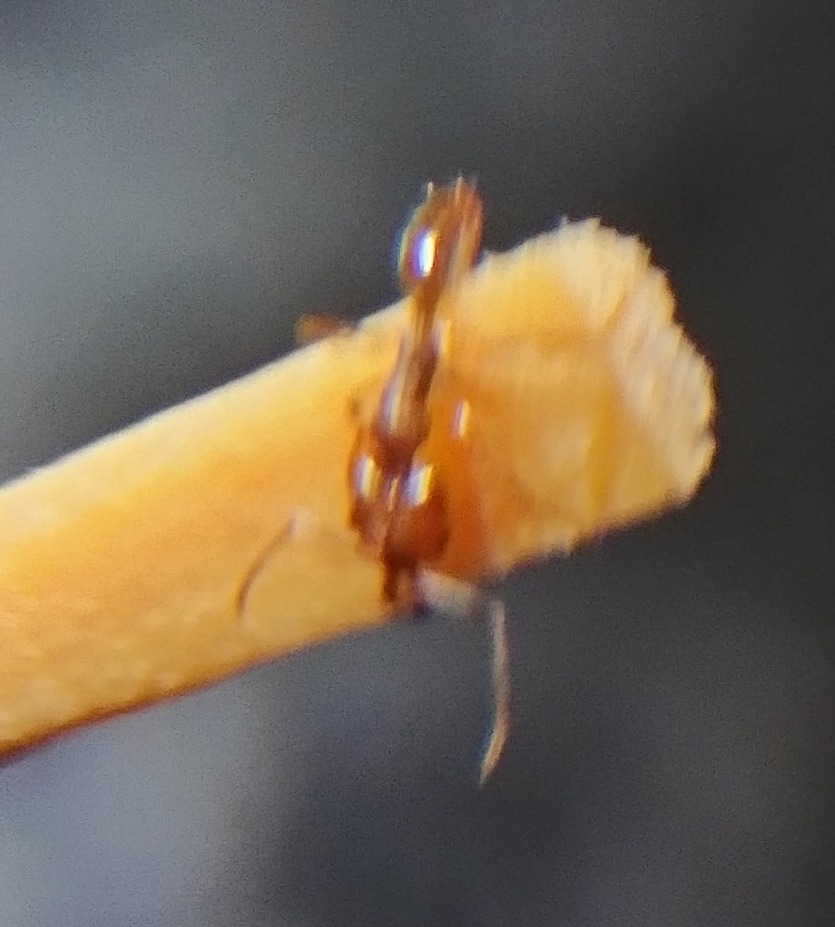
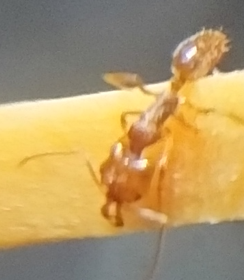
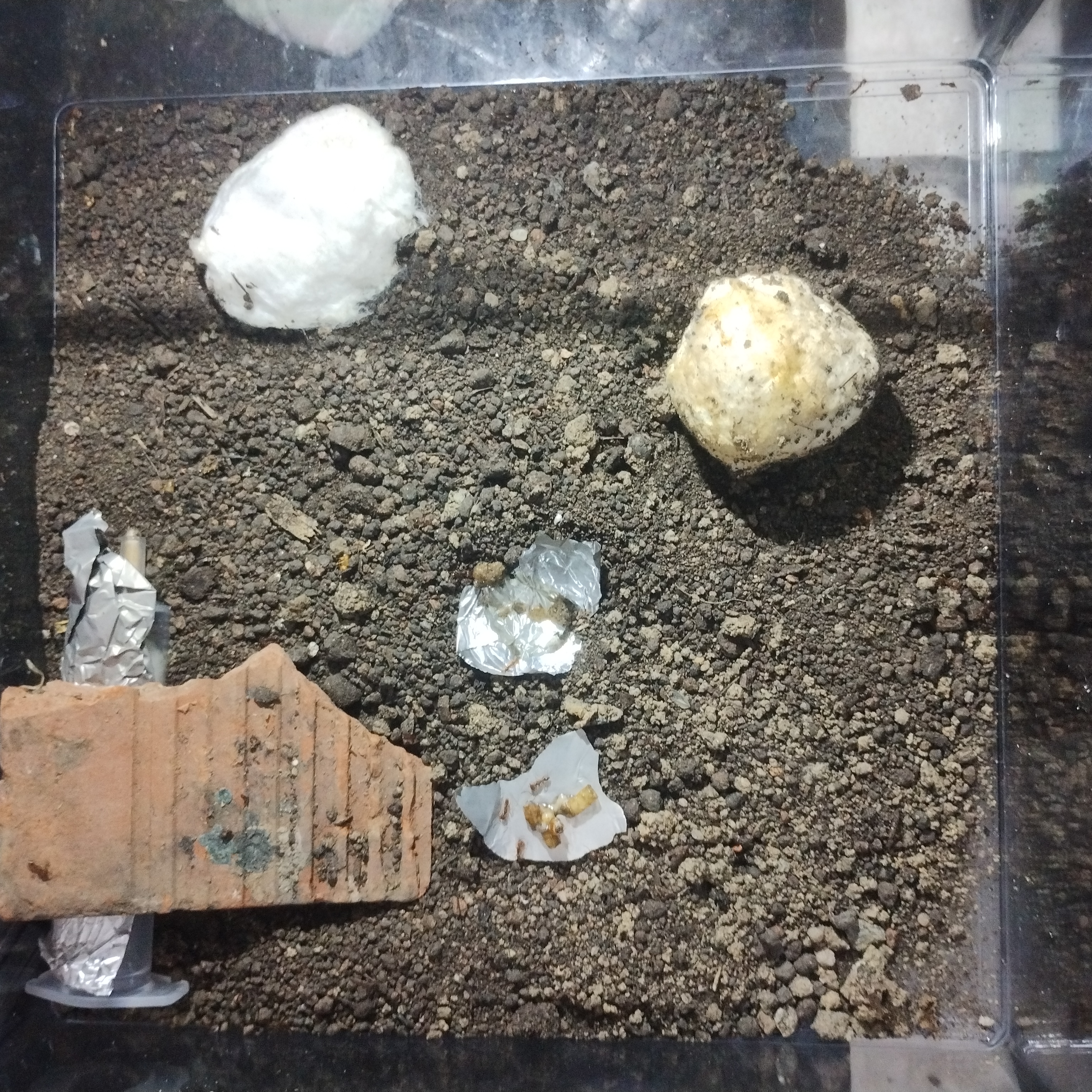
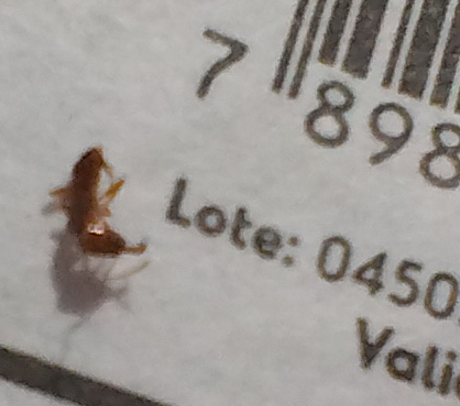
Removed leftovers and added fresh food, in addition to attempting to take photos for species identification.

Window without interaction after substrate displacement

15/06/2026

Routine

Observed event

  • There was no interaction with the group on this day.
  • The setup remained at rest after the surface displacement of substrate noticed on 14/06/2026.

Technical reading (hypotheses)

  • For a cryptic Anochetus group, a short window without disturbance after a mechanical stirring of the substrate helps more than repeating invasive checks.
  • The absence of interaction today avoids confusing spontaneous tunnel reorganization with a response to a new opening.
  • Even so, since there was no new reading, the two central hypotheses of the case remain open: group with a potentially discreet queen versus group of workers only, still functional in the short term.

What can be done now

  • Concentrate the next observation in the night period.
  • Look for a spatial focus of aggregation, the fate of the fractioned mealworm and repetition of mandibular transport.
  • Avoid stirring the substrate just to try to locate a queen.

Quick log

  • Interaction today: no
  • Status of the main setup: at rest
  • Residual yard material: not reopened today
  • Queen observed: not checked today
  • Brood observed: not checked today
  • Reaction among workers: no new reading
  • Mortality observed: not checked today
  • Escape observed: not checked today
  • Adjustments made: none
  • Next action: short night observation of tunnel use and food

Substrate displacement, fractionated tenebrium and preserved activity

14/06/2026

Incident

Observed event

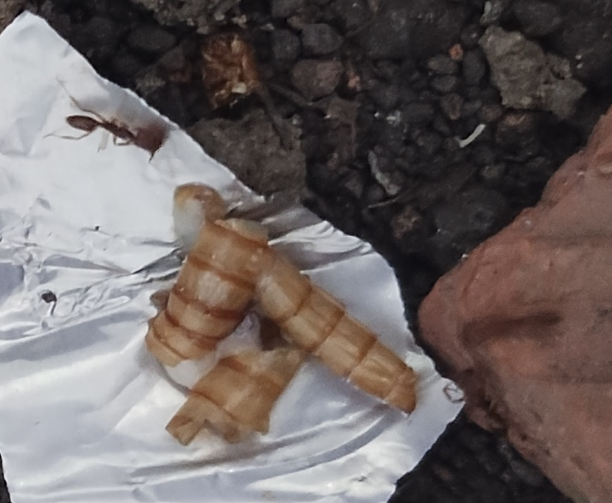
  • All previous mealworm remains were removed from the setup.
  • 1 new dead mealworm, cut into 4 parts, was added.
  • The substrate/soil of the pot was displaced, in an apparent repetition of the same external mechanical disturbance that hit other setups.
  • Despite this, the group's activity continued apparently normal.

Technical reading (hypotheses)

  • In Anochetus, continuity of activity after a surface displacement of soil suggests that the main logic of using the tunnels and the micro-shelter was not destroyed.
  • Since the genus tends to be cryptic and tied to substrate, leaf litter or micro-cavities, messing up the surface layer does not automatically mean loss of the biologically central zone of the group.
  • The return to the fractioned mealworm is coherent with a small group of trap-jaw ponerines: smaller portions ease use near the tunnel entrance without requiring the dragging of a large carcass.
  • Important point: in Anochetus, preserved activity does not prove a queen. The A. kempfi literature shows that a queenless batch can stay active for a long time; therefore, locomotor normality by itself still does not resolve the case.
  • At the same time, if the activity remained organized around one or a few tunnels, this increases the chance that there is at least one well-defined functional social focus, with or without a queen.

What can be done now

  • Keep the setup quiet for at least one more observation cycle.
  • At the next check, observe whether the substrate displacement altered the main tunnel or just the surface.
  • Record whether there is new mandibular transport of an adult and toward which tunnel it points.
  • Remove the mealworm pieces if they age without use.

Quick log

  • Interaction today: yes
  • Status of the main setup: consolidated, but with the substrate displaced at the surface
  • Residual yard material: minimal residual still present
  • Queen observed: uncertain
  • Brood observed: uncertain
  • Reaction among workers: general activity preserved, with no report of open fighting
  • Mortality observed: not confirmed
  • Escape observed: not recorded in this note
  • Adjustments made: total cleaning of the previous mealworm leftovers and a new fractioned offering
  • Next action: short night check of the main tunnel, the food and any social transports

Honey, tenebrios and repetition of mandibular transport to tunnel

11/06/2026

Incident

Observed event

  • A micro-offering of honey was added to the setup.
  • Pieces of mealworm were added.
  • There was a new episode of one ant carrying another underneath, held by the mandible.
  • No open fighting was observed before the episode.
  • The carried ant seemed motionless at the moment of observation, but its appearance was not that of a clearly dead individual.
  • The carrier was trying to enter a tunnel with the carried one.

Technical reading (hypotheses)

  • For Anochetus, the combination honey + small pieces of mealworm is coherent with management of a small and cryptic group: accessible carbohydrate and already-opened protein, without imposing a carcass too big inside the setup.
  • The second record of mandibular transport on two different days weakens the reading of a single casual episode and strengthens the hypothesis of real social transport of an adult within the group's reorganization.
  • The most important datum here is not just "one carried the other", but no open fighting + destination oriented toward a tunnel + carried individual without a typical discard aspect. In Anochetus, this weighs more in favor of retrieval to shelter than of an open attack.
  • If the ant underneath was really passive and not struggling, this remains compatible with social transport. In corpse discard, the vector is usually a trash/periphery area; here the observed vector was a tunnel entrance, which changes the reading considerably.
  • Since the genus may have a discreet ergatoid queen, the hypothesis of a socially special individual cannot yet be closed. Even so, with just this behavior, I would still read the case first as nestmate transport and not as a secure queen identification.
  • The fact that the carrier tried to enter a tunnel with the other one suggests the event was linked to the group's internal spatial organization, possibly after feeding, shelter rearrangement or a response to observation disturbance.

What can be done now

  • Keep the setup quiet for another 24-48h, with no new tunnel disturbance.
  • Leave only micro-offerings and remove protein leftovers if they stay idle for too long.
  • If the transport repeats, try to record whether the carried one tucks in its legs/antennae, whether it always goes to the same tunnel and whether there is a gaster difference relative to the others.
  • Prioritize a short photo or video of the episode before any new interpretation about a queen.

Quick log

  • Interaction today: yes
  • Status of the main setup: consolidated, with tunnels still used as an organization axis
  • Residual yard material: not reopened in this note
  • Queen observed: uncertain
  • Brood observed: uncertain
  • Reaction among workers: no open fighting; there was a new mandibular transport of an adult into a tunnel, more compatible with social transport than with an attack
  • Mortality observed: not confirmed
  • Escape observed: not recorded in this note
  • Adjustments made: addition of honey and pieces of mealworm
  • Next action: observe whether the mandibular transport repeats and whether the group fixes a main tunnel

Screening of the old Group B and unification in the clean setup

10/06/2026

Incident

Evento observado

  • A identificacao de campo das operarias pequenas foi consolidada como Anochetus.
  • Os antigos Grupo A e Grupo B foram revisados com foco em localizar eventual rainha de Anochetus antes de qualquer fusao definitiva.
  • A terra do antigo Grupo B foi sendo removida por porcoes, conferindo a existencia de Anochetus e passando o material inspecionado para um pote a parte.
  • Ao final da triagem, restava muito pouco, quase nada, de material original do quintal.
  • As formigas da segunda coleta, junto com esse pequeno resto de material, foram colocadas dentro do setup limpo do antigo Grupo A.
  • A reacao geral entre os dois lotes foi quase natural, sem agressao coletiva evidente no periodo observado.
  • O unico evento destoante foi uma operaria pegar outra pela mandibula e carrega-la ate entrar num tunel do antigo Grupo A.
  • Pela observacao de campo, as duas pareciam pertencer ao antigo Grupo B.
  • Todo esse episodio de transporte ocorreu em menos de 3 minutos.

Leitura tecnica (hipoteses)

  • A triagem por porcoes foi a conduta tecnicamente mais segura para nao perder uma rainha pequena no meio de terra bruta.
  • A aceitacao globalmente calma apos a unificacao torna mais plausivel que os dois lotes pertençam a uma mesma frente biologica ou, no minimo, nao apresentem incompatibilidade severa imediata.
  • Em Anochetus, a hipotese de "uma operaria carregando a rainha" nao pode ser descartada, porque o genero inclui rainhas ergatoides muito parecidas com operarias. Em A. kempfi, por exemplo, as rainhas sao ligeiramente menores que operarias, semelhantes no corpo e distinguem-se melhor por gaster mais volumoso e detalhes do mesosoma.
  • Mesmo assim, com base no que esta melhor documentado para o genero, esse episodio isolado e mais fortemente compativel com transporte social de adulto nestmate do que com identificacao segura de rainha. A literatura revisada para Anochetus documenta rainhas geralmente pouco cortejadas pelas operarias, machos carregados entre camaras e ovos mantidos nas mandibulas das operarias por longos periodos; nao encontrei relato direto forte de transporte rotineiro de rainha por operarias no genero.
  • O transporte de uma formiga pela outra pelas mandibulas, seguido de entrada dirigida em tunel e sem luta aberta descrita, e mais compativel com recolhimento social, realocacao curta ou resposta taticamente organizada ao disturbio do que com ataque franco.
  • A ausencia de agressao coletiva nao equivale a prova de mesma colonia, mas e um sinal operacional favoravel.
  • A partir deste ponto, a melhor leitura profissional nao vem de nova triagem pesada, e sim de observar onde o grupo consolidado fixa abrigo, como distribui os individuos e se surge sinal de rainha ou cria.

O que pode ser feito agora

  • Manter o setup principal estavel e evitar nova remexida profunda nas proximas 48-72h.
  • Observar o foco principal de agregacao, o uso dos tuneis e qualquer transporte de cria ou individuo maior.
  • Se o episodio se repetir, tentar registrar:
    • se a carregada fica passiva e recolhe pernas/antenas;
    • se ha gaster mais cheio ou postura mais alta na carregada;
    • se o transporte termina sempre no mesmo tunel/camara;
    • se outras operarias cercam, atacam ou ignoram a carregada depois da chegada.
  • Trabalhar com microofertas limpas de alimento e retirada rapida de sobra.
  • Registrar se o comportamento de transporte mandibular se repete ou se foi apenas resposta curta ao disturbio da unificacao.

Registro rapido

  • Interacao hoje: sim
  • Status do setup principal: antigo Grupo A agora consolidado com as formigas da segunda coleta; tuneis ativos; resposta geral calma
  • Material residual do quintal: muito pouco, quase nada, incorporado ao setup apos triagem por porcoes
  • Rainha observada: incerto
  • Cria observada: incerto
  • Reacao entre operarias: quase natural; um transporte mandibular curto chamou atencao, mais compativel com transporte social do que com ataque franco; possibilidade de rainha ergatoide transportada permanece aberta, mas nao demonstrada
  • Mortalidade observada: nao quantificada
  • Fuga observada: nao registrada nesta nota
  • Ajustes feitos: triagem progressiva do antigo Grupo B e incorporacao do lote ao setup limpo principal
  • Proxima acao: estabilizar, observar foco de agregacao e procurar sinais indiretos de rainha ou cria sem nova cirurgia do substrato

Second collection of focus and separate maintenance of residual material

07/06/2026

Maintenance

Observed event

  • During the continuation of cleaning the outdoor focus, the second collection of the front now treated as Mini Wakanda was made today.
  • The material from this second pass came from the same micro-region as the main batch, less than 30 cm away, and started being treated as Group B.
  • Group B was kept separate in a bucket with original yard soil for lack of time for immediate fine sorting.
  • On that same field day, the queen now recorded as Tamoios was found, which required strict separation between the two cases.
  • The already operational main batch remained as the reference of the former Group A, without mixing with the new material at this first moment.

Technical reading (hypotheses)

  • Keeping the second collection separate at this moment was the correct conduct: a residual batch may concentrate a discreet queen, brood or a remaining micro-chamber.
  • Finding the Tamoios queen on the same day reinforces that the field event could not be read as a single undifferentiated biological front.
  • In Anochetus, the classic mistake is mixing material too early and losing the chance to locate a small or ergatoid reproductive female.

What can be done now

  • Keep Group B separate until a short, controlled review of the substrate.
  • Avoid excess water, heat and direct sun on the bucket.
  • Preserve traceability between the main batch and the second collection.

Quick log

  • Interaction today: yes
  • Status of the main setup: main batch kept separate as reference of the former Group A
  • Residual yard material: present in Group B, still raw and barely sorted
  • Queen observed: uncertain
  • Brood observed: uncertain
  • Reaction among workers: not detailed in this note
  • Mortality observed: not quantified
  • Escape observed: not recorded in this note
  • Adjustments made: second collection isolated in a bucket with original soil
  • Next action: review the Group B material calmly before any merging

Feeding

Feeding log

Recorded offerings and how the colony responded

Mealworm (larva)

04/07/2026

Pending
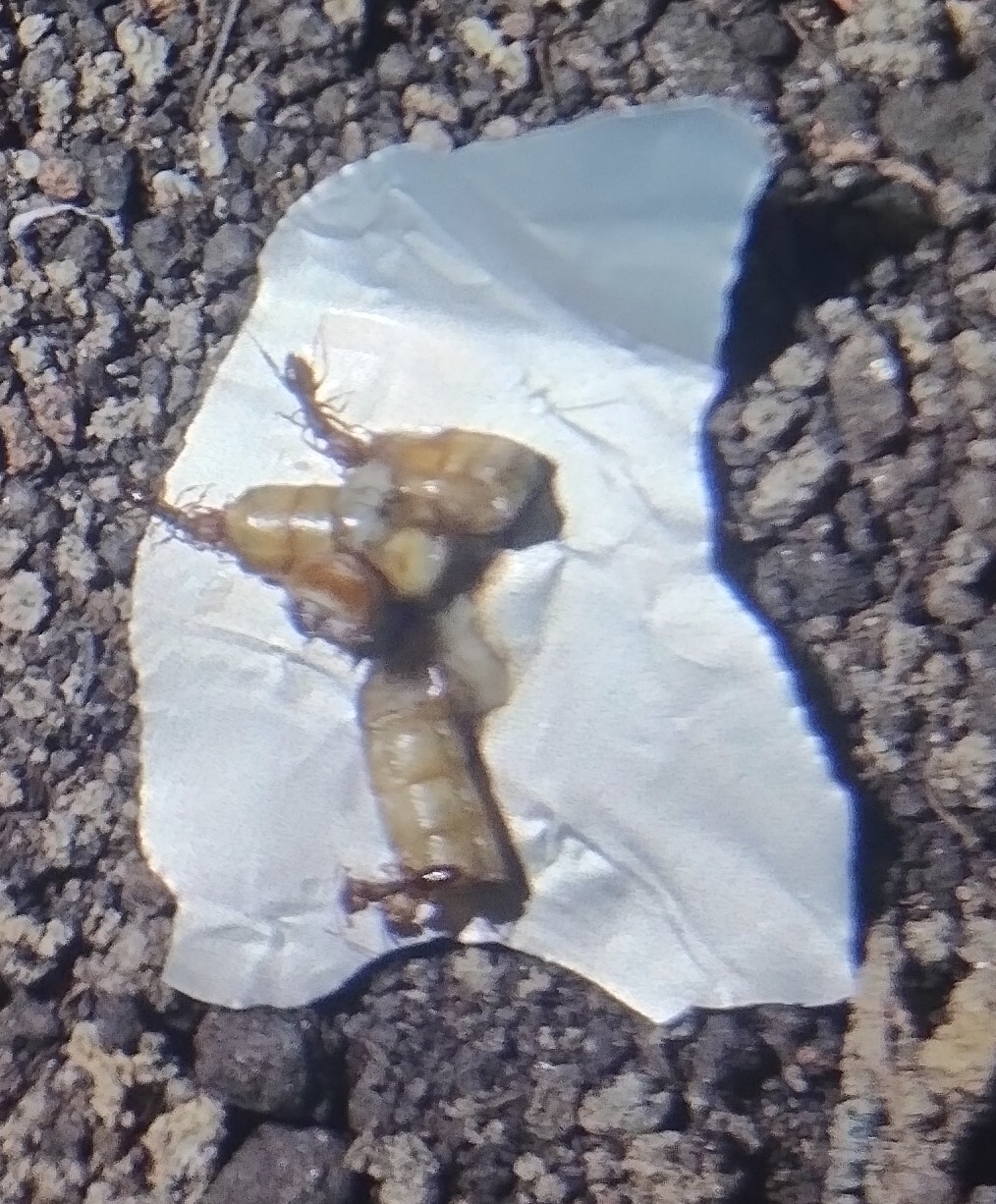
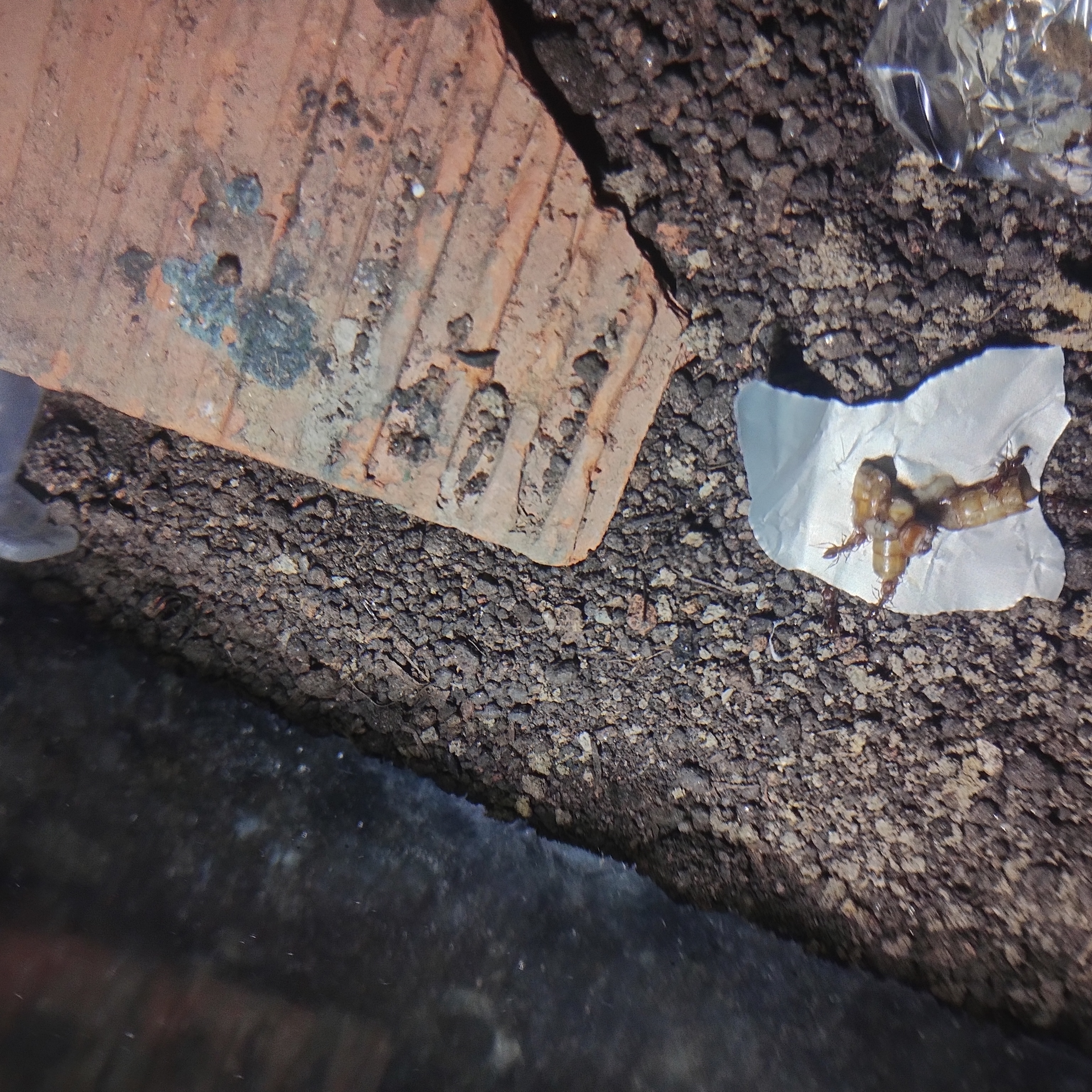
22:48 Freshly killed, Cut into pieces Quantity: 1 larvae

little piece

30/06/2026

Partial
22:30 Freshly killed, Cut into pieces Quantity: 3

little slices

14/06/2026

Partial
00:01 Freshly killed, Cut into pieces Quantity: 4

Very dark residues, consisting mostly of husks with little organic matter, suggesting thorough consumption.

Mel + pedacos de tenebrio

11/06/2026

Partial
00:00 Cut into pieces, Liquid

a small piece of dry cotton (where the honey had been), free of discoloration, and only dried-out fragments of mealworm shells.

Project notes

Public notes

Context, plans, and supporting records tied to this colony

Project Summary: Scope

07/06/2026

Summary 00:01:00
  • Material collected in two stages and stored in different containers.
  • The second collection occurred on 07/06/2026, on the same field day the queen now handled in Tamoios was found.
  • The two collection points were less than 30 cm apart.
  • The complete removal of the outdoor focus was done out of human safety necessity, due to the future presence of children with allergies in the yard.
  • The current identification went from "small workers possibly linked to Wakanda" to Anochetus sp. at the genus level.

Project summary: Objective

07/06/2026

Summary 00:00:00

Stabilize and sort the group of small ants now identified as Anochetus sp., captured after the emergency removal of the yard nests, checking whether there is a queen and/or brood and keeping total separation from Wakanda.

Diagnosis: Alert Criteria

31/05/2026

Assessment 00:11:00
  • Serial deaths in the first 24-72h after unification.
  • Pot overheating, accumulating strong condensation or losing humidity gradient.
  • Fungus, strong odor or soggy substrate.
  • Repeated escape, chaotic running or persistent vertical concentration away from the substrate and tunnels.
  • Recurrent open aggression between workers after the initial phase of apparent acceptance.
  • Presence of a suspected queen individual exposed, injured or unattended by the group.

Diagnosis: Professional Reading

31/05/2026

Assessment 00:10:00
  • The immediate priority continues to be not to dismantle the observability gain created by consolidation in a clean setup.
  • The new technical error to avoid would be to interpret atividade normal as queen proof. In Anochetus, especially with the possibility of an ergatoid queen, the reading needs to combine foco espacial, transporte social, resposta a luz, presenca de imaturos and morfologia suspeita.
  • The superficial displacement of 14/06 did not destroy the case; on the contrary, it became a small involuntary test of the group's resistance. As the activity continued to be functional, the setup still retains diagnostic value.
  • If there is a queen, she can still be:
    • hidden in the small remainder of the original substrate;
    • dealada and discreet;
    • or in an ergatoid shape similar to the robust worker, depending on the species.
  • If there is no queen or offspring, the case changes from "rescued colony" to "group of remaining workers", which greatly reduces the potential for continuity in the medium term.
  • Note 07 - Colony Prospective Scenarios becomes the main document for reading tonight's observation.

Diagnosis: Current Status

31/05/2026

Assessment 00:09:00
  • Time reference: consolidated status on 06/15/2026.
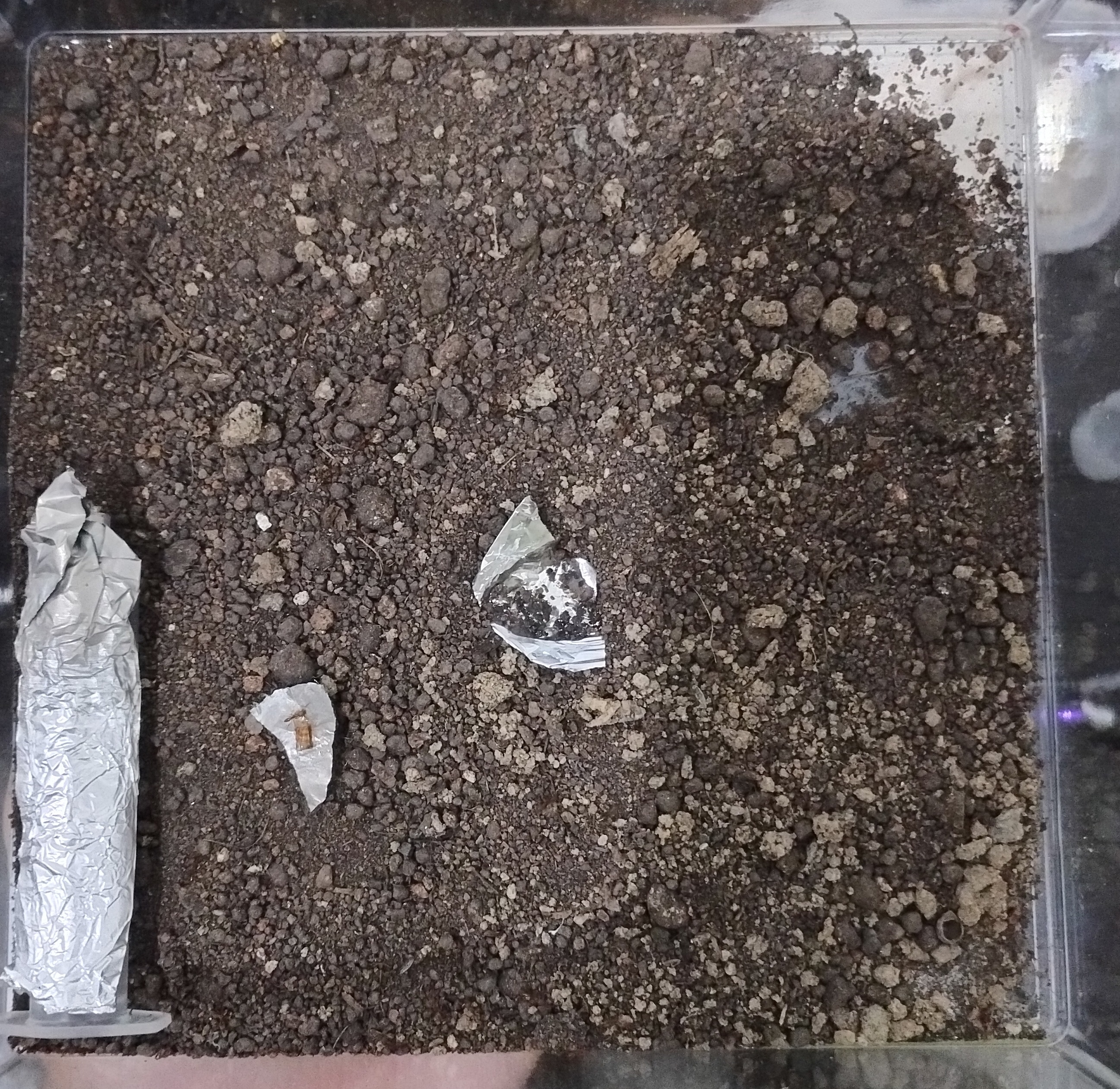
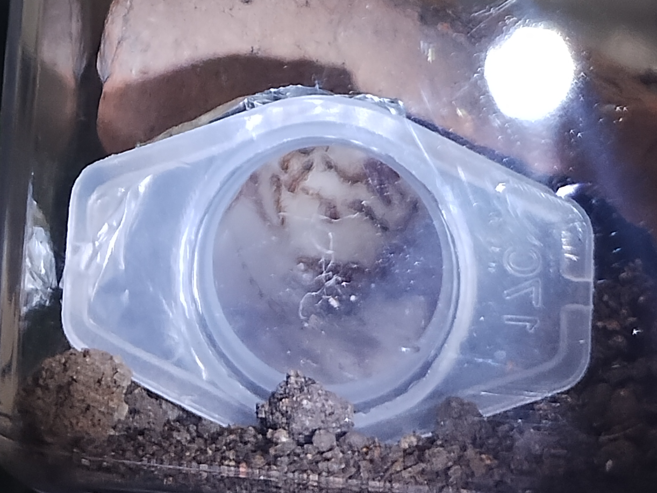
  • Main setup: clean acrylic pot, originally from Grupo A, now containing the consolidated main plot, with active tunnels, controlled damp spots and very little waste material from the yard.
  • Former Grupo B: ceased to exist as a separate unit on 06/10/2026; its biologically relevant content was incorporated into the main setup after piecemeal review.
  • Queen: not confirmed.
  • Breeds (eggs/larvae/pupae): not confirmed.
  • General activity: the consolidated batch remains active and with a generally calm social response, including after the surface displacement of the substrate on 06/14.
  • Relevant social observation: there was more than one episode of adult mandibular transport to the tunnel, without other clear signs of attack in the surrounding area.

Diagnosis: Consolidated Timeline (3)

31/05/2026

Assessment 00:07:00
  1. 06/15/2026: there was no interaction with the group, preserving a window of rest after the superficial disturbance of the substrate.

Diagnosis: Consolidated Timeline (2)

31/05/2026

Assessment 00:06:00
  1. 06/10/2026: field identification was revised for Anochetus sp..
  2. 06/10/2026: the A and B groups were reviewed in progressive screening; the soil from Grupo B was removed in portions, checking the presence of Anochetus and temporarily separating the inspected material.
  3. 06/10/2026: at the end of the sorting, the ants from the second collection and the little residual material from the yard were incorporated into the clean setup of the old Grupo A, making the case operate in a single consolidated system.
  4. 06/10/2026: the post-unification reaction was almost natural; There was no clear collective aggression, although one worker carried another by the jaws to a tunnel in the old Grupo A in less than 3 minutes.
  5. 06/11/2026: there was the addition of honey and pieces of tenebrio, followed by a new mandibular transport of the adult to the tunnel, again without an open fight observed.
  6. 06/14/2026: all previous remains of tenebrium were removed, there was a new supply of 1 tenebrium in 4 parts and the substrate was superficially displaced by external disturbance, without an apparent break in the general activity of the group.

Diagnosis: Context

31/05/2026

Assessment 00:04:00
  • Current identification: Anochetus sp. at the genus level, without a closed species yet.
  • Origin of the case: development of the external front previously linked to the Wakanda case.

Gallery

Public photos

Images from the colony and its related public records

Overview
Colony 06/07/2026

Overview

Mini Wakanda

Mini Wakanda
Colony 06/07/2026

Mini Wakanda

Mini Wakanda

Mini Wakanda
Colony 06/07/2026

Mini Wakanda

Mini Wakanda

Mini Wakanda
Colony 06/07/2026

Mini Wakanda

Mini Wakanda

Mini Wakanda
Colony 06/07/2026

Mini Wakanda

Mini Wakanda

Mini Wakanda
Colony 06/07/2026

Mini Wakanda

Mini Wakanda

Mini Wakanda
Colony 06/07/2026

Mini Wakanda

Mini Wakanda

Mini Wakanda
Colony 06/07/2026

Mini Wakanda

Mini Wakanda

Mini Wakanda
Colony 06/07/2026

Mini Wakanda

Mini Wakanda

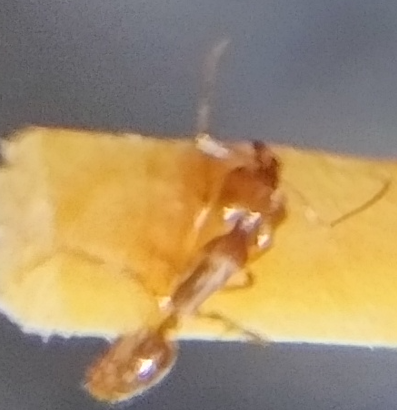
Dead one in a picktooth
Colony 06/07/2026

Dead one in a picktooth

Mini Wakanda

Mini Wakanda
Colony 06/07/2026

Mini Wakanda

Mini Wakanda

Mini Wakanda
Colony 06/07/2026

Mini Wakanda

Mini Wakanda

Mini Wakanda
Colony 06/07/2026

Mini Wakanda

Mini Wakanda

Mini Wakanda
Colony 06/07/2026

Mini Wakanda

Mini Wakanda

Mini Wakanda
Colony 06/07/2026

Mini Wakanda

Mini Wakanda

Mini Wakanda
Colony 06/07/2026

Mini Wakanda

Mini Wakanda

Mini Wakanda
Colony 06/07/2026

Mini Wakanda

Mini Wakanda

Mini Wakanda
Colony 06/07/2026

Mini Wakanda

Mini Wakanda

Mini Wakanda
Colony 06/07/2026

Mini Wakanda

Mini Wakanda

Mini Wakanda
Colony 06/07/2026

Mini Wakanda

Mini Wakanda

Mini Wakanda
Colony 06/07/2026

Mini Wakanda

Mini Wakanda

Mini Wakanda
Colony 06/07/2026

Mini Wakanda

Mini Wakanda

Mini Wakanda
Colony 06/07/2026

Mini Wakanda

Mini Wakanda

Mini Wakanda
Colony 06/07/2026

Mini Wakanda

Mini Wakanda

Mini Wakanda
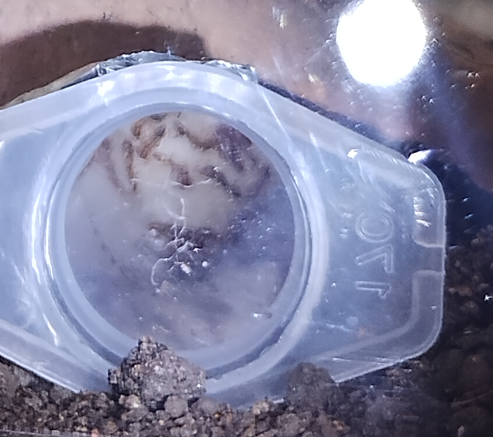
Colony 06/07/2026

Mini Wakanda

Mini Wakanda

Mini Wakanda
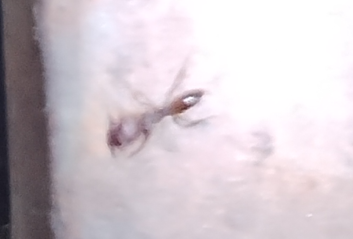
Colony 06/07/2026

Mini Wakanda

Mini Wakanda

Mini Wakanda
Colony 06/07/2026

Mini Wakanda

Mini Wakanda

Mini Wakanda
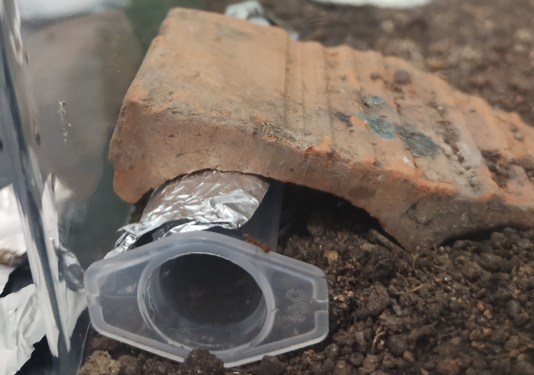
Colony 06/07/2026

Mini Wakanda

Mini Wakanda